




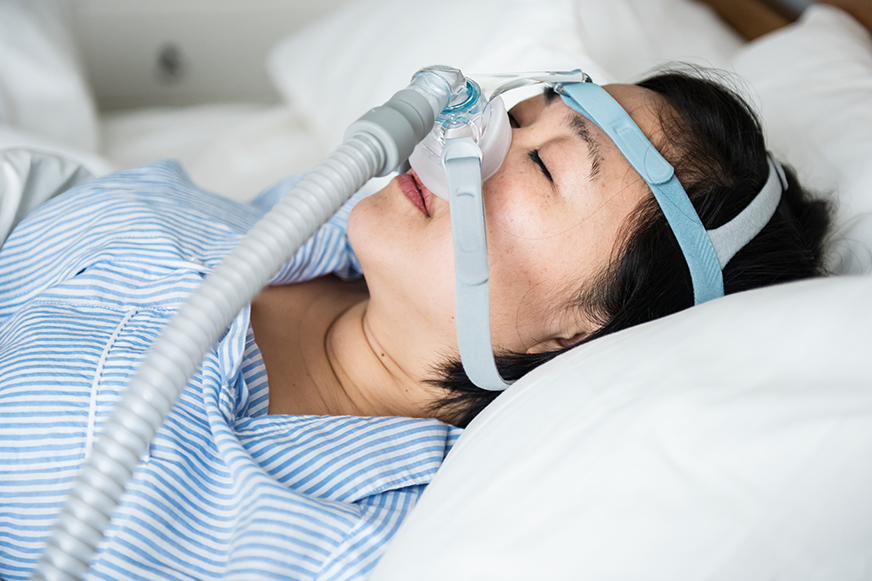
Snoring and Sleep Apnea
Snoring and sleep apnea are serious ENT conditions that can lead to breathing interruptions during sleep and significant health risks.
Snoring and sleep apnea are common sleep-related breathing disorders that can significantly impact overall health and quality of life. Sleep apnea is characterized by repeated interruptions or shallow breathing during sleep, which may occur multiple times throughout the night.
These interruptions can lead to symptoms such as waking up tired, daytime fatigue, and difficulty concentrating. If left untreated, sleep apnea can result in serious and potentially life-threatening complications.
What Is Sleep Apnea?
Sleep apnea is a serious sleep disorder in which breathing repeatedly stops and starts during sleep. It occurs due to:
- Obstructive Sleep Apnea (OSA):
- Caused by blockage of the upper airway due to relaxation of throat muscles, the tongue base, soft palate, or enlarged tonsils
- Central Sleep Apnea:
- Occurs when the brain fails to send proper signals to control breathing
During sleep apnea episodes, the airway becomes partially or completely blocked, leading to pauses in breathing lasting at least 10 seconds. These episodes can last from seconds to minutes and may occur 30 or more times per hour.
Even though the body continues to attempt breathing, increasing effort eventually triggers the brain to reopen the airway. This often results in loud snoring, gasping, or choking sounds before normal breathing resumes.
Symptoms
- Loud and persistent snoring
- Pauses in breathing during sleep
- Gasping or choking during sleep
- Waking up tired
- Daytime sleepiness
- Difficulty concentrating
- Morning headaches
Health Risks
Untreated sleep apnea can lead to serious health problems, including:
- Increased risk of traffic accidents (up to 7–8 times higher due to reduced alertness)
- Work-related accidents
- Hypertension (high blood pressure)
- Heart rhythm disorders
- Cardiovascular diseases
- Diabetes
Although the prevalence of sleep apnea is around 1–4%, its impact is significant when compared to other chronic diseases such as diabetes and asthma.
Treatment Methods
Treatment depends on the severity and underlying cause:
- Lifestyle Changes:Weight management
- Sleeping position adjustments
- Avoiding alcohol and smoking
- Medical Devices:CPAP (Continuous Positive Airway Pressure) therapy
- Surgical Treatment:Correction of nasal obstruction
- Tonsil or adenoid removal
- Soft palate or airway surgeries
Importance of Early Diagnosis
Early diagnosis and treatment are essential to prevent serious complications and improve sleep quality. Proper management can significantly enhance daily performance, safety, and overall health.
Sıkça Sorulan Sorular
Snoring and Sleep Apnea hizmeti hakkında en çok merak edilen sorular ve cevapları.
Uyku sırasında solunumun kısa sürelerle durması ve tekrar başlaması ile karakterize ciddi bir uyku bozukluğudur.
Horlama, gece nefes durması, sabah yorgun uyanma ve gün içinde dikkat eksikliği en sık belirtilerdir.
Tedavi edilmezse kalp hastalıkları, hipertansiyon ve ciddi sağlık sorunlarına yol açabilir.